
Croydon Park Hotel – Engineered Two-Way Radio Communications System
The Client
Croydon Park Hotel was a large four-star hotel in South London, providing accommodation, conferences, events and leisure facilities from its location in Croydon.
The hotel had 211 bedrooms, alongside a range of facilities including conference and event spaces, restaurants and bars, a spa and leisure facilities, and a cinema. This created a complex working environment, with multiple teams operating throughout the property at the same time.
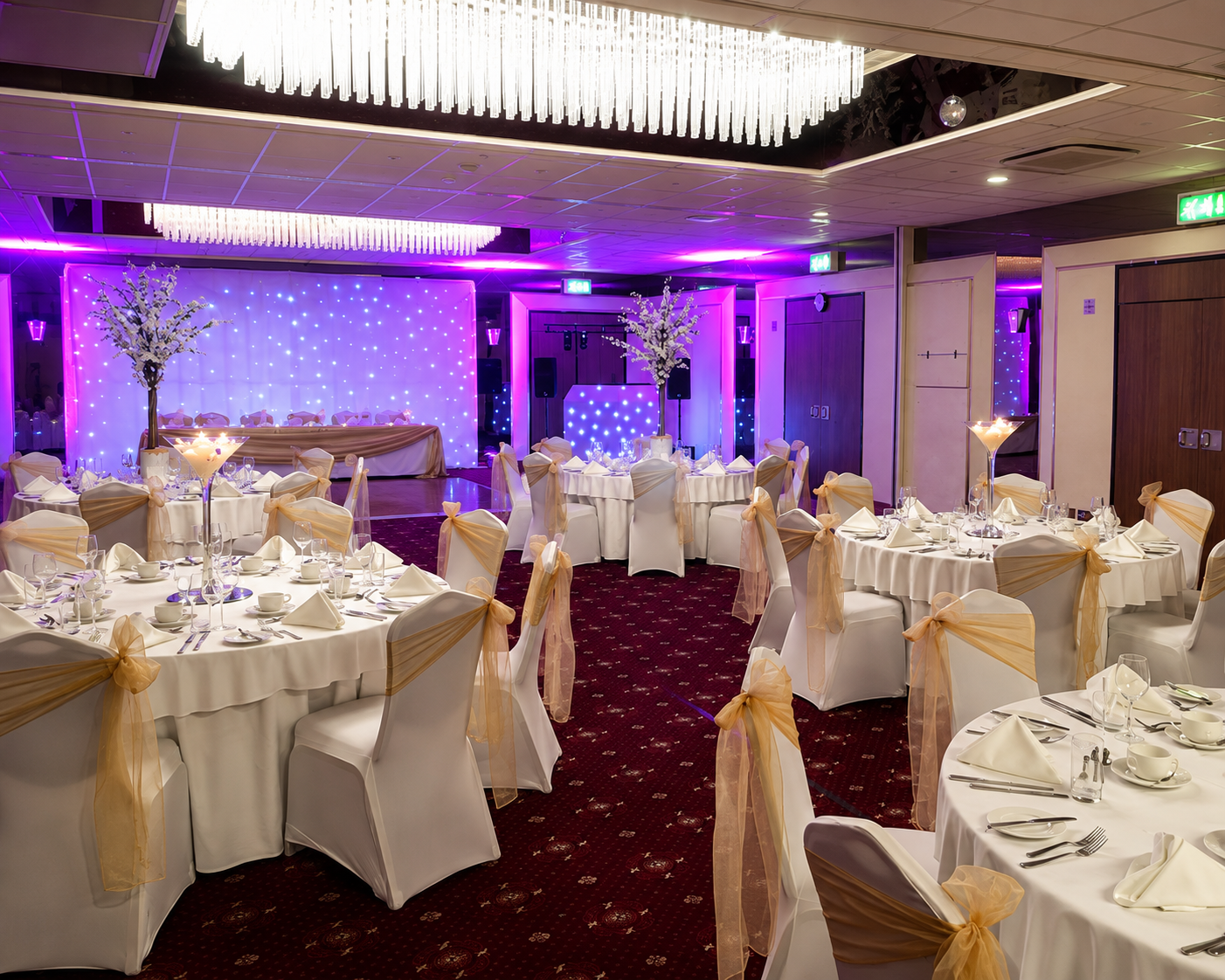
For a hotel of this size, communication between departments was essential. Staff needed to be able to contact colleagues quickly without leaving their work areas or relying on mobile phones.
The Challenge
Croydon Park Hotel required a comprehensive two-way radio communications system to support its day-to-day operation.
DCS 2 Way Radio supplied approximately 30 handheld two-way radios, together with a central operations deskthat connected the radio users into a coordinated communications system.
The radios were used by operational teams across the hotel, including:
- Housekeeping and cleaning teams
- Security staff
- Maintenance and engineering
- Reception and front-of-house
- Hotel management and duty managers
- Events and conference teams
- Food and beverage and banqueting staff
- Spa and leisure staff
- Cinema staff
With so many different teams working across the property, the hotel needed communications that were immediate, dependable and easy to manage.
The Solution
DCS 2 Way Radio designed and supplied a complete communications system tailored to the hotel's operational requirements.
The solution comprised approximately 30 handheld two-way radios supported by a central operations desk, connecting staff across the hotel's different departments and operational areas.
Radios were used by teams including housekeeping and cleaning, security, maintenance and engineering, reception and front of house, management, events and conference teams, food and beverage, spa and leisure staff, and cinema staff.
A key part of the solution was selecting a suitable frequencyAn antenna transmits and receives radio-frequency signals, allowing a two-way radio to communicate. Antenna type, frequency, height and location can all affect radio performance and coverage. for the hotel's location. With numerous other businesses and organisations using two-way radio systems in the surrounding Croydon area, the local radio environment was congested.
DCS assessed the environment and identified a more suitable frequencyFrequency is the number of cycles a radio wave completes each second, measured in Hertz. In two-way radio, frequency determines where a transmission operates within the radio spectrum. for the hotel's system, helping to minimise the potential for interferenceRadio interference occurs when unwanted radio-frequency signals or electrical noise disrupt two-way radio communications, causing distorted audio, broken transmissions, reduced coverage or loss of communication. and providing a more reliable communications platform.
The result was a centralised two-way radio communications system engineered around the customer's environment, rather than simply a standard fleet of handheld radios.
A Challenging Radio Environment
The hotel's location presented an additional technical challenge.
Croydon Park Hotel was situated in a busy part of South London, where numerous other businesses and organisations in the surrounding area were also using two-way radio systems.
This created a congested local radio environment, increasing the potential for competing radio traffic and interference.
Simply deploying the radios on a commonly used frequency wasn't sufficient. The radio systemA Radio System is a complete communication solution comprising two-way radios and, where required, equipment such as repeaters, antennas, base stations, mobile radios and network infrastructure. needed to be designed around the conditions in which it would actually operate.
Engineering the Communications Solution Around the Customer's Environment
DCS 2 Way Radio assessed the local radio environment and identified a more suitable frequency for the hotel's communications system.
By selecting a frequency appropriate to the local environment, DCS helped minimise the potential for interference from other radio users in the surrounding area.
This was an important part of the project. Rather than simply supplying a quantity of handheld radios, DCS engineered the communications solution around the customer's environment.
The resulting system incorporated approximately 30 handheld two-way radios and a central operations desk, creating a coordinated communications networkA Network is a connected system of radios, equipment and infrastructure that allows users to communicate across a defined area. Radio networks can range from simple radio-to-radio systems to large multi-site networks. across the hotel.
Deployment Across the Hotel
The approximately 30 radios supported a wide range of operational roles.
The Central Operations Desk
The operations desk provided a fixed communications point for the hotel's operational team.
With staff carrying radios throughout the property, the central desk allowed the hotel to maintain contact with teams working in different areas of the building.
This was particularly valuable in a large and busy hotel where staff could be dealing with guests, preparing rooms, responding to maintenance requirements, managing events or supporting leisure facilities at the same time.
Rather than relying on staff to find colleagues in person, the radio system provided an immediate communications link.
Housekeeping and Cleaning
Housekeeping teams could remain in contact while working throughout the hotel, allowing staff to communicate with colleagues and respond to operational requests without having to return to a central location.
Security
Security staff could maintain contact with the operations team and other members of staff while moving around the property, helping coordinate responses to incidents and requests for assistance.
Maintenance and Engineering
Maintenance staff often need to work away from reception and other fixed points within a large building. Two-way radio communications allowed engineers to remain connected while carrying out their work.
Reception and Front of House
Front-of-house teams could contact operational departments quickly when assistance was required, without relying on telephone calls or leaving their posts.
Events and Conference Teams
The hotel's conference and event facilities created additional demands for fast communication, particularly when multiple rooms and event spaces were being prepared or used simultaneously.
Spa, Leisure and Cinema
The hotel's spa, leisure facilities and cinema added further operational areas where staff needed to remain connected with colleagues and the wider hotel operation.
Housekeeping and Cleaning
Housekeeping teams could remain in contact while working throughout the hotel, allowing staff to communicate with colleagues and respond to operational requests without having to return to a central location.
Security
Security staff could maintain contact with the operations team and other members of staff while moving around the property, helping coordinate responses to incidents and requests for assistance.
Maintenance and Engineering
Maintenance staff often need to work away from reception and other fixed points within a large building. Two-way radio communications allowed engineers to remain connected while carrying out their work.
Reception and Front of House
Front-of-house teams could contact operational departments quickly when assistance was required, without relying on telephone calls or leaving their posts.
Events and Conference Teams
The hotel's conference and event facilities created additional demands for fast communication, particularly when multiple rooms and event spaces were being prepared or used simultaneously.
Spa, Leisure and Cinema
The hotel's spa, leisure facilities and cinema added further operational areas where staff needed to remain connected with colleagues and the wider hotel operation.
The Results
The completed system gave Croydon Park Hotel a centralised, hotel-wide communications networkdesigned around both the hotel's operational requirements and its challenging local radio environment.
The combination of approximately 30 handheld radios and a central operations desk provided:
- Instant communication between operational staff
- Centralised communications through the operations desk
- Improved coordination between departments
- Dedicated radio communications rather than reliance on mobile phones
- Communications across multiple operational areas
- A frequency selected around the local radio environment
- A scalable system suitable for a large and complex hotel operation
Most importantly, the project demonstrated that professional two-way radio communications are about much more than selecting a handset.
The radio system had to work within a busy London radio environment, support multiple departments and provide reliable communications across a large, multi-function hotel.
Engineering Rather Than Simply Supplying
Croydon Park Hotel is a strong example of DCS 2 Way Radio's approach to professional radio communications.
The requirement wasn't simply for 30 radios.
The hotel needed a communications system that brought together housekeeping, security, maintenance, reception, management, events, banqueting, leisure, spa and cinema operations, while also overcoming the challenges created by other radio users operating in the surrounding area.
DCS therefore engineered the solution around the customer's environment, selecting a more suitable frequency and integrating the handheld radios with a central operations desk.
The result was a purpose-designed communications system that gave Croydon Park Hotel a reliable way to keep its teams connected across the entire operation.
Aftercare
DCS 2 Way Radio supplied the hotel with a complete communications solution rather than simply providing individual radios.
The system was designed to support the hotel's ongoing operational requirements, with the central communications infrastructureRadio infrastructure is the equipment and supporting systems behind a professional two-way radio network, including repeaters, antennas, base stations, network connections, power systems and dispatch equipment. providing a foundation for the hotel's teams to remain connected throughout their working day.
A Complete Communications Solution
Croydon Park Hotel demonstrates the value of taking a systems-led approach to two-way radio communications.
From understanding the hotel's operational requirements to dealing with the challenges of a congested urban radio environment, DCS designed the solution around the way the customer actually worked.
Approximately 30 radios. A central operations desk. Multiple hotel departments. One coordinated communications system, engineered around the customer's environment.
Our radio hire services UK provide professional communication equipment for businesses nationwide.
Radios
%
Coverage
%